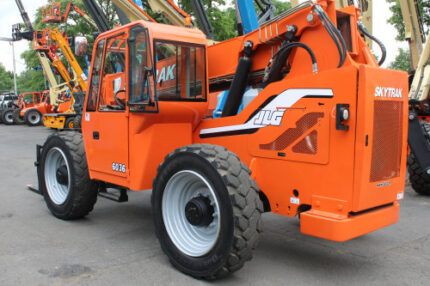
Buy Excavators for Sale: Get the Best Deals on Quality Construction Equipment

 February 16, 2026
 2:51 PM
 Mike Dougherty
Buy Excavators for Sale: Do you want to know the best deals on excavators? An excavator is a big, heavy machine that is costly for anyone in the building business. It can be costly to buy an excavator, whether you are a sole proprietor, a general builder, or just looking to enhance what you already have.
But if you know exactly what you’re doing, you can buy with confidence knowing that the quality and durability you need to include for your construction project do not come at an additional price.
In this blog will present a few aspects you need to consider when acquiring Excavators for Sale, together with where you could acquire the best deals on some quality construction equipment.

2017 Genie GTH-1056 For Sale

2018 JLG 1255 For Sale

2016 Skytrak 8042 For Sale

2017 JCB 507-42 For Sale

2016 JLG 943 For Sale
1
Why Buy Excavators?
Excavators play an extremely important role in many building activities, from digging and trenching to lifting and material movement. Excavators range from various types, sizes, and styles to suit a great variety of needs. Here are a few good reasons your business should buy a digger:
2
Types of Excavators for Sale
It is important to be aware of the different types of excavators before buying:
3
How to Get the Best Deals on Quality Construction Equipment for Excavators
It does require some time to research and prepare to find the lowest priced excavators. When it comes to mini excavator purchases, either new or old, here are a few things to remember for the wise shopper. The lowest priced options will be available through one of the following:
For example, if your job site requires lifting loads to the second or third floor of a building, you’ll need a telehandler with a vertical reach of 30-50 feet. Smaller projects may only require telehandlers with a vertical reach of 15-20 feet.
Tips:
Consider the boom reach specifications in your job’s unique context, ensuring that the telehandler can both reach and safely balance loads at maximum extension.
4
Attachments and Versatility
One of the most significant advantages of telehandlers is their compatibility with various attachments, making them highly versatile on the job site. Depending on the nature of your work, you can enhance the functionality of your telehandler by using attachments such as:
Tips:
Choose a telehandler with quick attachment changing capabilities, enabling your team to switch tools and adapt to different tasks efficiently.
5
Operator Comfort and Safety Features
Telehandlers are often operated for long hours, so operator comfort is an important consideration. Features like adjustable seats, ergonomic controls, and excellent cabin visibility can make a significant difference in productivity and reduce operator fatigue. Additionally, modern telehandlers for sale come with safety features that prevent accidents, such as:
Tips:
For example, if your job site requires lifting loads to the second or third floor of a building, you’ll need a telehandler with a vertical reach of 30-50 feet. Smaller projects may only require telehandlers with a vertical reach of 15-20 feet.
Great Experience
Almir Pereira
pleasure dealing with joe. They do a great job getting everything working well before delivery and stand behind the equipment they sell.
6
Fuel Efficiency and Maintenance
Running a telehandler requires fuel, so it’s worth considering fuel efficiency, especially for long-term projects. Diesel-powered telehandlers are common, but some manufacturers offer electric or hybrid models that can lower operating costs in the long run.
Moreover, factor in maintenance needs when choosing a telehandlers for sale. Opt for models known for their reliability and ease of servicing. This ensures minimal downtime and keeps your project running smoothly.
Final Thoughts
Choosing the right telehandler for your job site involves a careful balance of lifting capacity, reach, maneuverability, and attachments. Start by assessing your specific project requirements and then match those with a telehandler that can meet the demands safely and efficiently. By considering the key factors outlined in this guide—capacity, reach, terrain adaptability, and more—you’ll be well-equipped to select the ideal machine that boosts productivity and ensures smooth operations.
Ready to choose the right telehandler for your project? Contact our team today for expert advice and find the perfect telehandler solution for your job site!

More Articles You Might Like
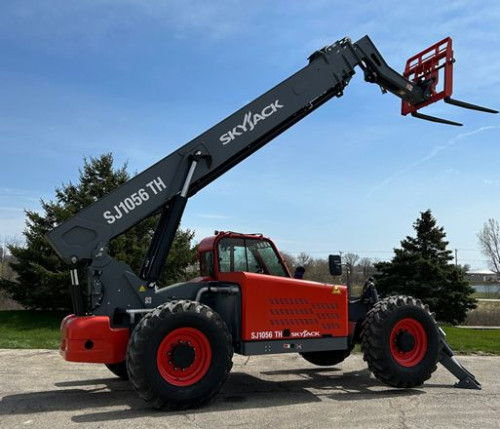
Skyjack vs SkyTrak: Choosing the Best Equipment for Your Worksite
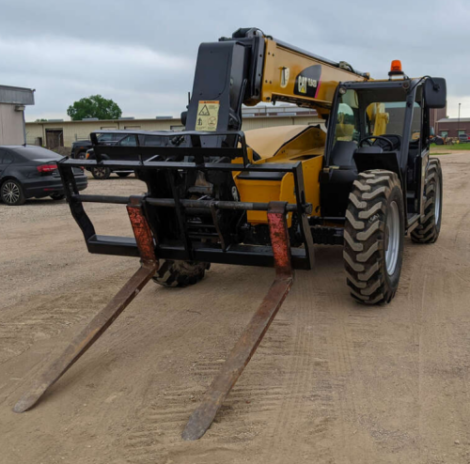
Cat Telehandler for Sale: Powerful Equipment for Heavy Lifting Across the USA
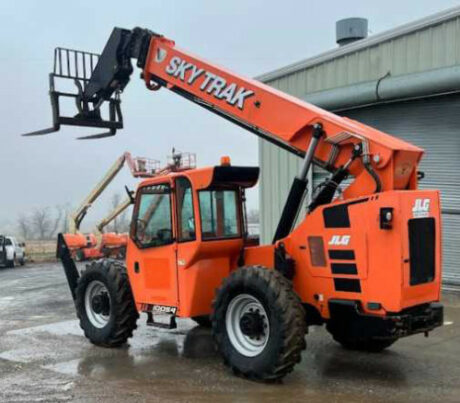
Bobcat Telehandlers for Sale in the USA: Trusted by National Lift Customers
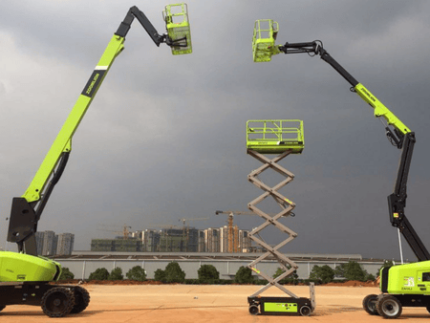
Aerial Lifts for Sale: Best Boom Lifts, Telehandlers and Scissor Lifts for Your Needs
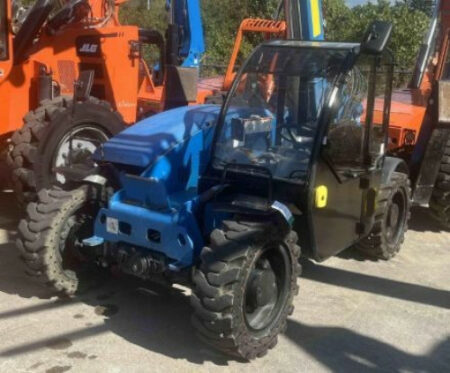
Sany Telehandlers for Sale: Trusted Equipment for Your Construction Needs