Backhoe vs Excavator: Which Heavy Equipment is Best for Your Construction Needs?

 February 16, 2026
 10:25 AM
 Mike Dougherty
Does your construction project need a Backhoe vs Excavator? If so, which one of the two is best? Even as they execute different types of functions, both are crucial equipment in digging, lifting, and earthmoving. Your budget and final output depend on the equipment you have for a project. Before buying one of these heavy equipment machines, it is very important to know what actually a backhoe is and what an excavator is.
To help you make a good decision regarding your project, this page offers information related to the characteristics, types, purposes, and what is the difference between a backhoe and an excavator.


1
What is a Backhoe?
A backhoe is a loader attached at one end and a bucket on the opposite side for excavations. A backhoe finds effective use when used for lifting, trenching, and transferring material in medium-scale operations to smaller-scale applications. Construction firms find backhoes more favored over excavators in situations when flexibility and easier transport are necessities.
2
What is an Excavator?
Excavators are heavy digging construction machines designed for deep digging, consisting of long arms and rotating cabins. They are used for construction projects requiring heavy excavation, demolishing buildings, and transporting large consignments. You will find that choosing the best excavator to buy becomes very easy once you know what characteristic you need to have for your job.

2018 Kobelco SK210LC For Sale

2019 Case CX130D For Sale

2019 Kobelco SK210LC For Sale
Key Features of Backhoes
Key Features of Excavato
3
Types of Backhoes and Excavators
It is necessary to know the differences between various kinds of Backhoe vs Excavator. According to the needs of one, selecting the right one will greatly enhance your building productivity.
i
Types of Backhoes
A backhoe vs mini excavator comparison often highlights the versatility of backhoes. Here are the common types:
1. Standard Backhoe :
2. Mini Backhoe :
3. Extended Reach Backhoe:
If you’re looking for a backhoe for sale, consider the job requirements before selecting the right type.
ii
Types of Backhoes
A backhoe vs excavator debate often favors excavators for large-scale operations. Here are the primary types of excavators:
1. Crawler Excavator:
2. Wheeled Excavator:
3. Mini Excavator:
4. Long Reach Excavator:
This should be a basis for examination during the buying process of a second-hand excavator: the terrain, workload, and space. Your decision in backhoes will be a function of your needs, whereas the prime job of an excavator is excavation. A backhoe can do this too but if one seeks versatility, he should have it; for excavating purposes, though, he should settle on an excavator.
4
Backhoe v/s Excavator: Key Differences:
| Feature | Backhoe | Excavator |
|---|---|---|
| Size | Smaller, compact | Larger, heavy-duty |
| Mobility | Can drive on roads | Requires transport |
| Functionality | Loader + digger | Primarily digging |
| Digging Depth | Limited | Deep excavation |
| Best Use Cases | Small projects, farms | Large-scale excavation, demolition |
A Backhoe vs Excavator is suitable if you need a versatile machine. Nevertheless, for intensive work, the excavator is the better one.
5
Which Machine is Right for You?
Depending on your personal construction needs, it will either be a Backhoe vs Excavator. Although both have their own merits, choosing the correct one will make you save some money and make you work much more efficiently. Before making that final choice, consider the following points:
Project Size and Scope:
Job Site Conditions:
Space and Maneuverability:
Versatility vs. Specialization:
Cost and Availability:
When looking for a Backhoe vs Excavator to buy, examine your budget.
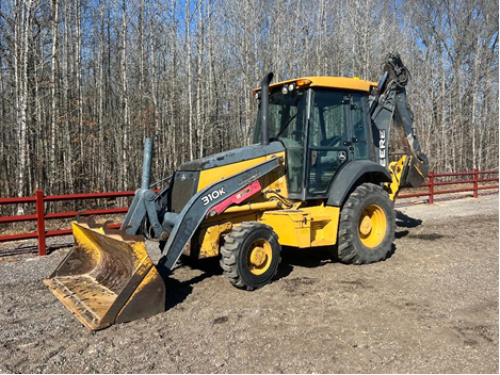
2012 John Deere 310K Diesel
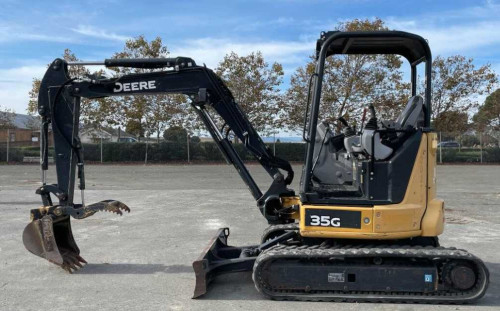
2021 Caterpillar 308CR Diesel
6
Backhoe vs Mini Excavator: Which One is Better?
The choice between a Backhoe vs Mini Excavator is mainly influenced by three factors: the type of work, site conditions, and budgetary limitations. The correct machine from among these two machines will enhance the efficiency and effectiveness of the project.
1. Size and Mobility:
2. Versatility:
3. Digging Depth and Power:
4. Cost and Maintenance:
7
Maintenance and Operating Costs
| Cost Factor | Backhoe | Excavator |
|---|---|---|
| Fuel Consumption | Lower | Higher |
| Maintenance Cost | Moderate | Hightransport |
| Lifespan | 10-15 years | 15-20 years |
| Replacement PartsDepth | Affordable | Expensive |
An excavator vs backhoe comparison shows that excavators have higher operating costs but offer better longevity.
8
Conclusion
The size and scope of the project that is to be accomplished determine which to use, namely a Backhoe vs Excavator. To dig in relatively small, but somewhat versatile working areas, small lifting, trenching, this is a call for a backhoe. Instead, if digging requires a high amount of heaving and heaving, a call for excavation.
A mini excavator could be ideal for a tight job or some specific application. The decision-making between a Backhoe vs Mini Excavator or standard excavator requires that one looks for certain criteria before buying the machinery to undertake a job.
9
Call to Action!
Can you tell which equipment should be used for the job? Find the list of Backhoe vs Excavator, and Backhoe vs Mini Excavator available for instant purchase. Acquire the appropriate tool for the job without any delay.
Great Experience
Bruno martone
Just purchased a 2013 jlg from Joe at National Lift The Machine was every thing he promised was a excellent machine and delivered within a few days , this company and Joe are first class i would always buy a machine off of them , Thank you very much Joe .

More Articles You Might Like
Skyjack vs SkyTrak: Choosing the Best Equipment for Your Worksite
Cat Telehandler for Sale: Powerful Equipment for Heavy Lifting Across the USA
Bobcat Telehandlers for Sale in the USA: Trusted by National Lift Customers
Aerial Lifts for Sale: Best Boom Lifts, Telehandlers and Scissor Lifts for Your Needs
Sany Telehandlers for Sale: Trusted Equipment for Your Construction Needs